Physiotherapy
Physiotherapy is a professional, highly credible and natural medical treatment option.
Manual Therapy
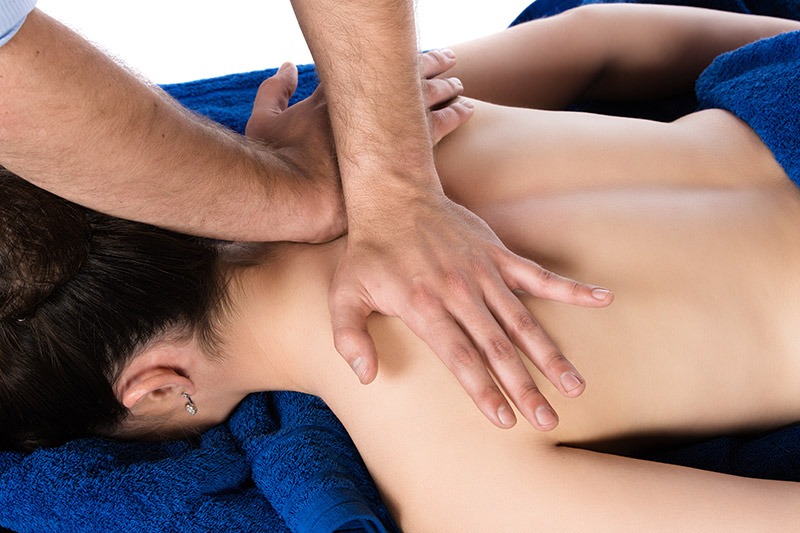
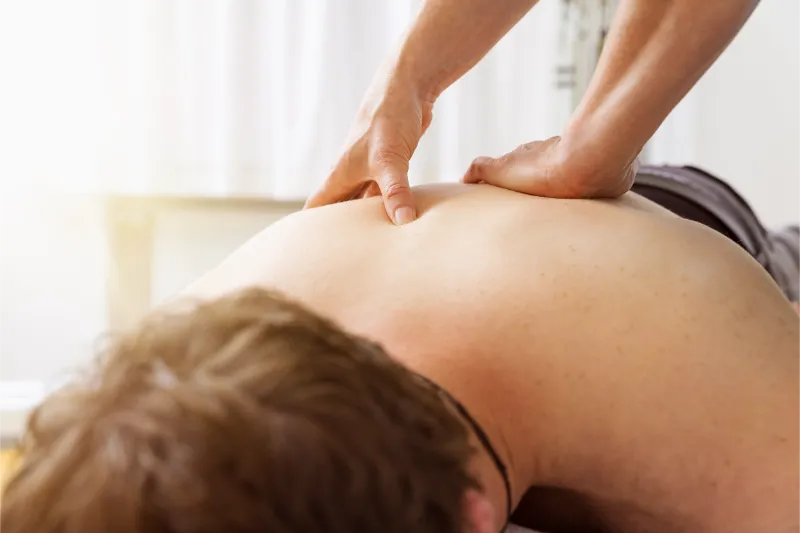
Manual Therapy involves the use of the physiotherapist’s hands to mobilise the joints of the spine and extremities, create movement in nerve tissue or facilitate the activation, flexibility and normal tone of muscle. Several different techniques can be used to restore normal motion (not too much, not too little) and regain control of that motion. This allows each region of the body to move fully, efficiently and safely.
Manipulation
This is a form of manual therapy that you may know as the ‘crack’. It is the movement of one joint surface on another performed at high velocity. This technique is performed to reduce pain and loosen joints and their surrounding soft tissue. All our physios at Reach Physiotherapy have undergone extensive training to allow them to perform joint manipulations safely and comfortably.
Exercise Therapy
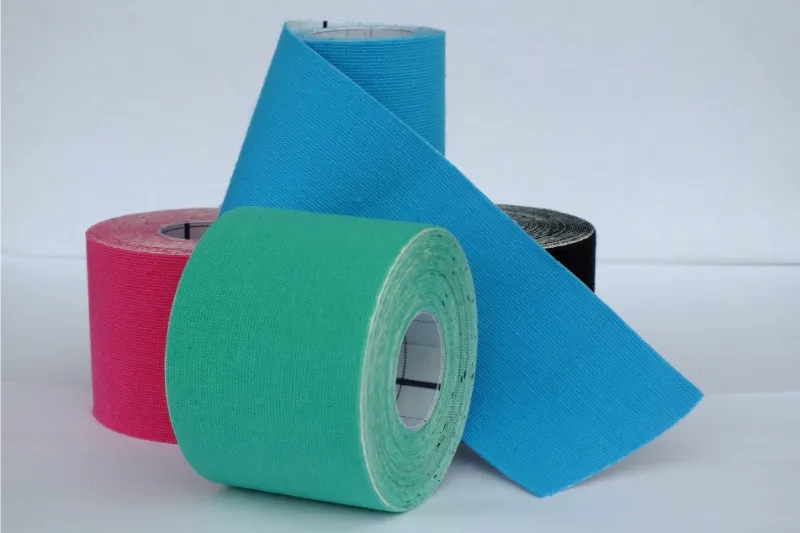
Athletic taping and bracing
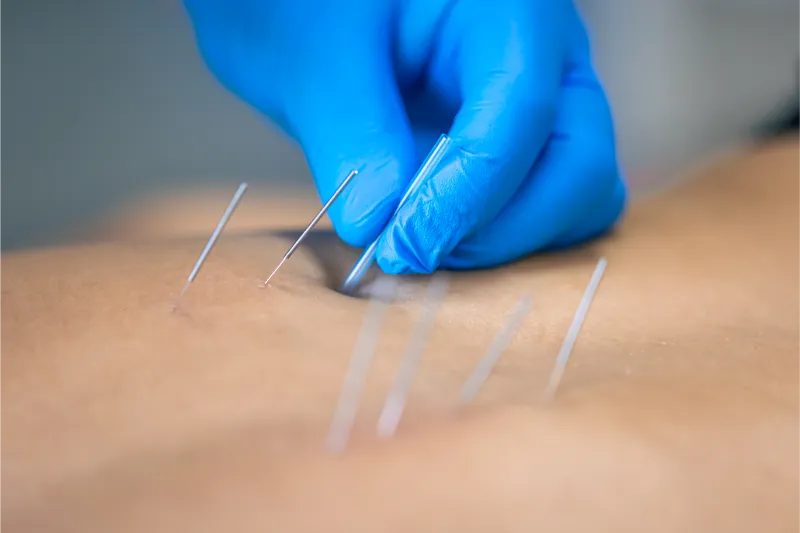
Acupuncture & Intramuscular Stimulation
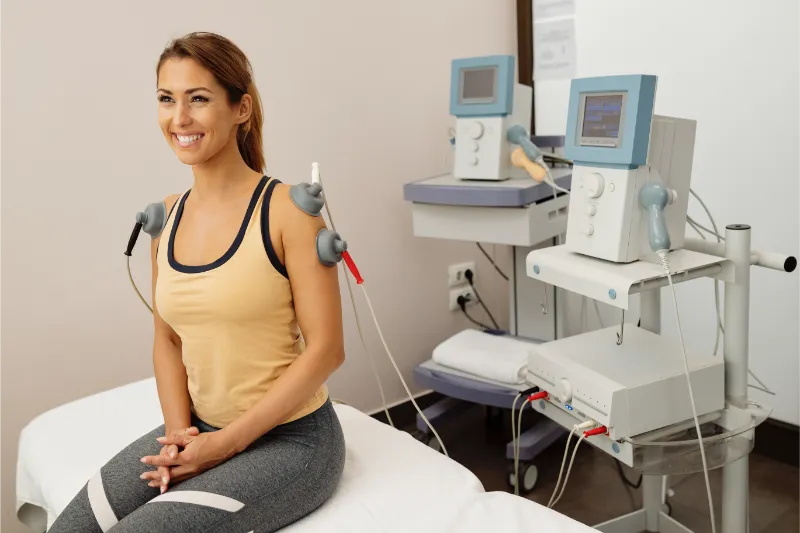
Electrotherapy
Electrotherapy treatments include
- Interferential (IFC)
- Transcutaneous Nerve Stimulation (TNS)
- Laser
- Ultrasound
FAQs
What is physiotherapy and how can it help me?
Physiotherapy at Reach focuses on restoring movement and function after injury, disease, or pain. Chartered physiotherapists assess and diagnose your condition, then plan treatments to reduce dysfunction and help you reach your goals.
Do I need a GP referral to see a physiotherapist?
No — you can self-refer directly to Reach Physiotherapy for private physiotherapy without needing a GP referral.
What happens during my first physiotherapy appointment?
In your first session, the therapist will take your history, assess your movement and pain, diagnose the issue, and begin planning your treatment. This often involves hands-on techniques, explaining your problem, and beginning exercises.
What should I wear to my physiotherapy session?
Wear comfortable, loose-fitting clothes that allow freedom of movement so the therapist can assess joints and mobility easily. (General physiotherapy guidance — this fits with their hands-on treatment approach.)
How long does a session last?
Reach offers different session lengths: typically around 45 minutes for an initial assessment and 30 minutes for follow-ups, with some 60-minute options available.
What types of treatments do you use?
Reach uses a variety of proven physiotherapy techniques, including:
Manual therapy to improve joint mobility.
Manipulation (high-velocity joint movement) to reduce pain and stiffness.
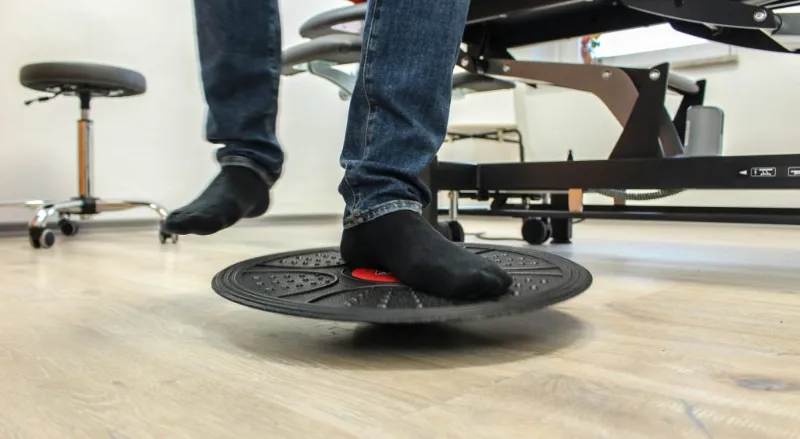
Exercise therapy (stretching, strengthening).
Athletic taping and bracing for support.
Acupuncture & intramuscular stimulation for pain relief.
Electrotherapy (ultrasound, laser, IFC, TENS) to support healing and manage pain.
Is physiotherapy at Reach painful?
Physiotherapy may involve pressure or movement that you notice, but manipulation and hands-on techniques are performed by trained professionals to be safe and as comfortable as possible. Any uncomfortable techniques are explained and applied with care.
How many sessions will I need?
This varies by condition and severity — your physiotherapist will tailor a programme to your needs. Some people see improvements in a few sessions; others with chronic or complex issues may need more.
Can physiotherapy help with long-term or chronic pain?
Yes. Reach physiotherapy uses tailored programmes — combining manual work, exercise, and other modalities — to help manage pain, improve mobility and function, even with chronic issues like persistent back pain.
Do you treat sports injuries and post-operative rehabilitation?
Yes. Reach Physiotherapy treats a broad range of musculoskeletal conditions including sports injuries, back/neck pain, and supports pre- and post-operative recovery as part of individualised treatment plans.